Holy Bones: A Bold Display Font for Crafters
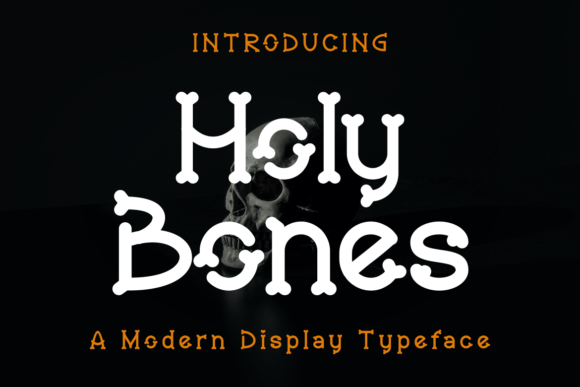
When you run a handmade business or create printable products, every design choice matters. The fonts you select do more than just spell out words—they set the mood, communicate your brand’s personality, and help your items stand out in a crowded marketplace. I’ve tested countless typefaces over the years, and I keep coming back to a few that truly deliver on both style and practicality. One of those is Holy Bones, a modern display font with a bold, authentic feel that immediately catches the eye. Its bone characters give it a raw, almost textured look that pairs perfectly with everything from rustic farmhouse decor to edgy streetwear designs.
What I love most about this display font is its versatility. It’s not just another pretty face in the world of modern typography—it’s a workhorse that can handle a wide range of creative projects. Whether you’re crafting labels for handmade candles, designing stickers for your Etsy shop, or creating digital downloads for planners, Holy Bones brings a distinctive edge that makes your products feel intentional and polished. Let me walk you through how this font can elevate your craft and help you build a consistent, recognizable brand identity.
What Makes Holy Bones Stand Out in Your Craft Projects
Holy Bones has a visual personality that’s hard to ignore. The characters are thick, sturdy, and slightly irregular, giving them a hand-drawn, bone-like quality. This isn’t a clean, mechanical sans serif font or a delicate script font—it’s a bold statement piece. The font exudes confidence and authenticity, which is exactly what you want when you’re creating products that need to grab attention from a shelf or a social media feed.
For crafters, this means Holy Bones works beautifully for short phrases, names, titles, and decorative wording. It’s not designed for long blocks of text, but that’s not its job. Instead, it shines in display use—think product labels, signage, and packaging where you need a few words to pack a punch. The bone characters add a tactile, organic feel that works especially well with natural materials like kraft paper, wood, or linen. If you’re a Cricut or Silhouette user, you’ll appreciate how cleanly the letters cut, even at smaller sizes, as long as you test your settings first.
Practical Project Ideas for Holy Bones
Let’s get specific about where this creative font can make a real difference in your product lineup. Here are some of my favorite ways to use Holy Bones in handmade and printable products:
- Candle Labels and Soap Wraps: A bold display font like Holy Bones gives your bath and body products a rugged, natural look. Pair it with a simple serif font for ingredient lists, and you’ve got a label that feels both artisanal and professional.
- Farmhouse Signs and Home Decor: Whether you’re painting on wood or creating vinyl decals, Holy Bones adds that sought-after rustic charm. Try it for “Welcome,” “Gather,” or “Bless This Home” signs.
- Wedding Stationery and Invitations: Use it for the couple’s names on save-the-dates or welcome boards. The bone-like texture brings a unique, earthy elegance that stands out from typical calligraphy styles.
- T-shirt and Tote Bag Designs: Holy Bones was made for apparel. Its bold characters hold up well even on dark fabrics, and it works great for short slogans or brand names.
- Holiday Product Packaging: From Halloween treat bags to Christmas gift tags, this font adds a playful yet sturdy feel. It’s especially fitting for spooky or natural-themed seasonal lines.
- Printable Wall Art and Digital Downloads: Create posters, art prints, or planner pages with inspirational quotes. Holy Bones keeps the design clean and readable, even when printed at smaller sizes.
Readability and Practical Tips for Cutting Machines
One concern I always have with bold display fonts is how they’ll perform on physical products. Will the letters get lost in a small sticker? Will my Cricut struggle with intricate cuts? With Holy Bones, I’ve found that the thick, consistent strokes make it surprisingly reliable. The characters are well-spaced and the shapes are clear, which means less fiddling with your machine settings.
For small stickers or product labels, I recommend keeping your text at a minimum of 0.5 inches tall to maintain legibility. If you’re working with vinyl or heat transfer, test a few cuts on scrap material first to ensure the blade depth is right. The font’s sturdy design also means it works well for layered projects—try combining it with a lighter handwritten font for contrast. When I use Holy Bones for mockup previews, the letters always read clearly, even in thumbnail-sized images, which is a huge plus for online listings.
Font Pairing Ideas for a Cohesive Brand
No font works in isolation, and Holy Bones is no exception. To build a complete brand identity, you’ll want to pair it with complementary typefaces. Here are a few combinations that have worked well in my own projects:
- Holy Bones + a Clean Sans Serif: Use Holy Bones for headings and a simple sans serif font like Montserrat or Open Sans for body text. This creates a balanced, modern look that’s easy to read on labels and packaging.
- Holy Bones + a Script Font: For a more expressive feel, pair it with a flowing script font. The contrast between the bold, bone-like letters and the soft curves of a handwritten style adds visual interest to invitations and social media graphics.
- Holy Bones + a Simple Serif: If you’re going for a rustic or vintage vibe, combine it with a clean serif font for secondary text. This pairing works beautifully for farmhouse signs and product tags.
When you’re designing for web design or social media graphics, keep the pairing consistent. The goal is to make your brand instantly recognizable, whether a customer sees your product on a shelf or in an Instagram post. Using Holy Bones as your anchor display font helps create that strong visual identity.
Commercial Licensing and What You Need to Know
Before you start using Holy Bones in your products, it’s important to understand the licensing. As a commercial font, it’s designed for professional use, but the terms vary depending on where you purchase it. If you’re a small shop owner selling physical products like mugs, t-shirts, or stickers, make sure you have a license that covers commercial use. Many foundries offer a standard license that allows you to sell items with the font applied, but always read the fine print.
For printable product creators—those selling digital downloads, templates, or SVG designs—you’ll need a license that permits embedding the font in your files. Some licenses require an extended or “app” license if you’re distributing the font as part of a template. The same goes for client work: if you’re designing logos or branding materials for others, confirm that your license covers that use. It’s a small step that protects your business and ensures you’re using your design assets ethically.
File Formats and Multilingual Support
When you download Holy Bones, check what file formats are included. Most quality fonts come with both .otf and .ttf files, which work seamlessly across Windows and Mac systems. If you’re a Cricut or Silhouette user, .ttf is usually the safest bet. I also recommend looking for any included alternates, ligatures, or swashes—these extras can give your designs a custom, handcrafted feel without extra work. If the font supports multilingual characters, that’s a bonus for sellers with diverse customer bases.
To get the most out of Holy Bones, spend some time testing it in your design software. Try different sizes, colors, and backgrounds. Pair it with a handwritten font for a playful contrast, or let it stand alone on a simple tag. The more you experiment, the more you’ll discover how this premium font can become a cornerstone of your brand identity. Whether you’re making labels for a small batch of candles or designing a full line of printable wall art, Holy Bones delivers the bold, authentic look that today’s craft buyers are drawn to.